Can Rezoning Applications Help You Find Construction Projects Early?
Rezoning and planning applications can be early signals of potential construction work. Use them to research a site and decide whether a project deserves a closer look, not to assume a bid is coming.
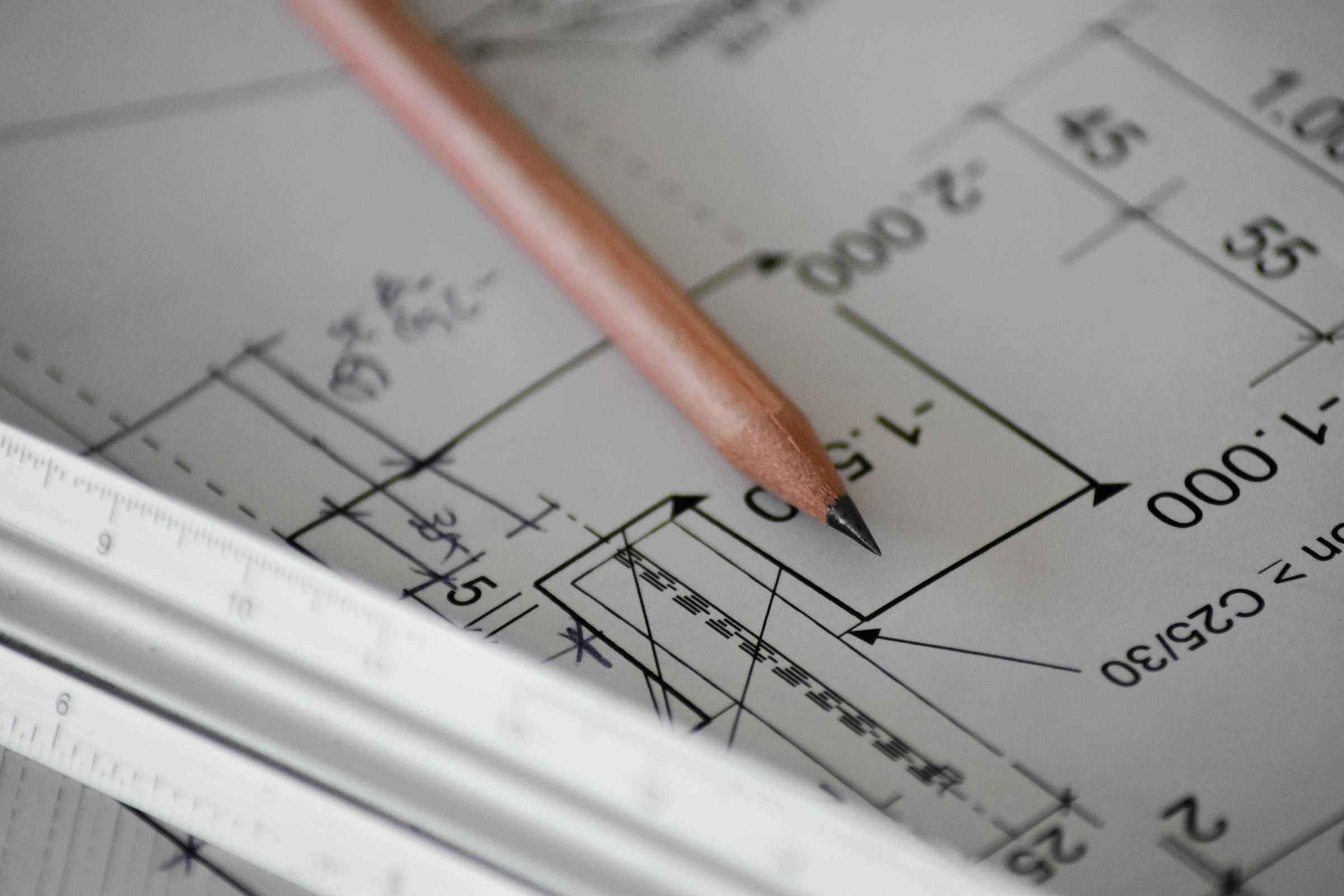
Rezoning and planning applications can help a construction business find potential projects before bid invitations circulate. They are early signals, not confirmed work.
The useful question is not, "Will this filing become a project?" The useful question is, "Does this public record give us a real reason to research this site and the people attached to it?"
Why can a rezoning application be an early project signal?
A rezoning application can put a proposed land use, a site, and a party connected to the application into a public planning process. New York City's Zoning Application Portal is one example of a public system for searching land-use applications. Seattle also publishes information about its land-use permit process.
That visibility can make a rezoning or planning record worth watching before a project reaches a bid board. It does not mean construction is funded, scheduled, or ready for subcontractor pricing. A filing is a reason to investigate, not a reason to claim a project.
Which planning records should a construction business watch?
Watch the records your target jurisdictions actually publish. Start with records that name a site and make the proposed change understandable.
Useful records can include:
- Rezoning or zoning-map amendment applications
- Land-use or site-plan applications
- Pre-application records, if the jurisdiction publishes them
- Planning commission, zoning board, or council agendas and meeting packets
- Staff reports and application documents attached to a public case
A single filing may be thin. The planning portal, the agenda packet, and the underlying application can each add a different piece of context. Public availability and document detail vary by jurisdiction, which is why a repeatable local check matters more than a national list of websites. The public-record trail described in Finding Private Commercial Projects Before They Go to Bid is broader than any one filing type.
What should you capture from a planning application?
Capture enough information to decide whether the lead fits your market and trade. Do not fill gaps with assumptions.
Use a simple record with:
- Site: The address, parcel, or other location identifier shown in the filing.
- Proposed change: The plain-language description of what the application seeks.
- Application party: The applicant, representative, or owner named in the public record, if one is listed.
- Status: The meeting date, hearing date, or other next public step shown by the jurisdiction.
- Documents checked: The agenda item, staff report, plans, or attachments you actually reviewed.
- Fit: Whether the location and proposed use fit the work your team pursues.
- Next research step: One question that must be answered before outreach, such as whether the site has a defined building program or which party is leading entitlement.
This record keeps a planning lead separate from a bid opportunity. It also gives a business development lead a clear handoff when the same site appears in a later public record.
How do you qualify a rezoning lead without overclaiming it?
Treat the filing as a signal that needs corroboration. A strong lead has a clear site, a readable proposed use, a named party or public representative, and a next step you can verify in the record.
A weak lead has only a vague agenda label or a proposal outside your market. Keep weak leads in a watch list. Do not turn them into sales activity just because a zoning case exists.
Before reaching out, check these questions:
- Is the site in a market your team can serve?
- Does the public description suggest the kind of building or improvement your trade fits?
- Is the application active, deferred, withdrawn, or approved?
- What document supports the proposed scope you are describing?
- Is there a useful, accurate reason to contact the named party now?
A good answer to the last question matters most. The goal is a relevant conversation, not a larger spreadsheet.
What can a rezoning application not tell you?
A rezoning or planning application does not confirm a construction start date, financing, final approvals, procurement method, bid list, or award. It may never progress beyond the planning process.
Keep those limits explicit in your notes and outreach. Construction project research should separate what a public record says from what the team still needs to verify. ConstructConnect's guide to finding private commercial projects before bid likewise describes multiple early-stage sources rather than treating one record as proof of a ready-to-bid project.
What is a practical weekly routine for planning records?
A practical routine is small enough to repeat. Review the jurisdictions that matter to your business, save only records that fit, and research one step further before contacting anyone.
Try this sequence:
- Check the planning portal and newly posted meeting agenda for each priority jurisdiction.
- Save the application link and the documents that support the record.
- Capture the site, proposed change, named parties, status, and next public date.
- Mark the lead as a fit, watch, or no-fit based on the work your team pursues.
- Research the fit leads before any outreach.
- Recheck active leads after the next public meeting or status update.
Once a lead becomes specific enough to pursue, use a disciplined go or no-go process for a construction project. Early discovery creates options. It does not remove the need to choose carefully.
The short answer
Yes, rezoning and planning applications can help you find construction projects early because they can expose a potential development before the bid stage. The honest use of that signal is to research the site, understand the public record, and decide whether the opportunity deserves more work.
Do not promise a project from a filing. Build a habit of checking the right records, capturing what is verified, and waiting for stronger evidence when the record is thin.
Related Articles
Is a Construction Lead Database Worth It for a Specialty Subcontractor?
A construction lead database can be useful, but only when its coverage fits the work you want and someone will act on the records. Compare it with in-house and managed research before you commit.
How Do Subcontractors Get on a General Contractor’s Bid List?
A practical way for specialty subcontractors to prepare a qualification package, approach the right general contractors, and stay visible before a bid invitation arrives.
Should You Bid This Construction Project? A Go or No-Go Checklist
A practical go or no-go checklist for construction teams deciding whether a project deserves estimating time.