When Should a Contractor Contact the Architect on a New Project?
Contact the architect once a project is real and before formal bidding, with a clear reason, the right contact path, and a short useful note.
Columnline6 min read
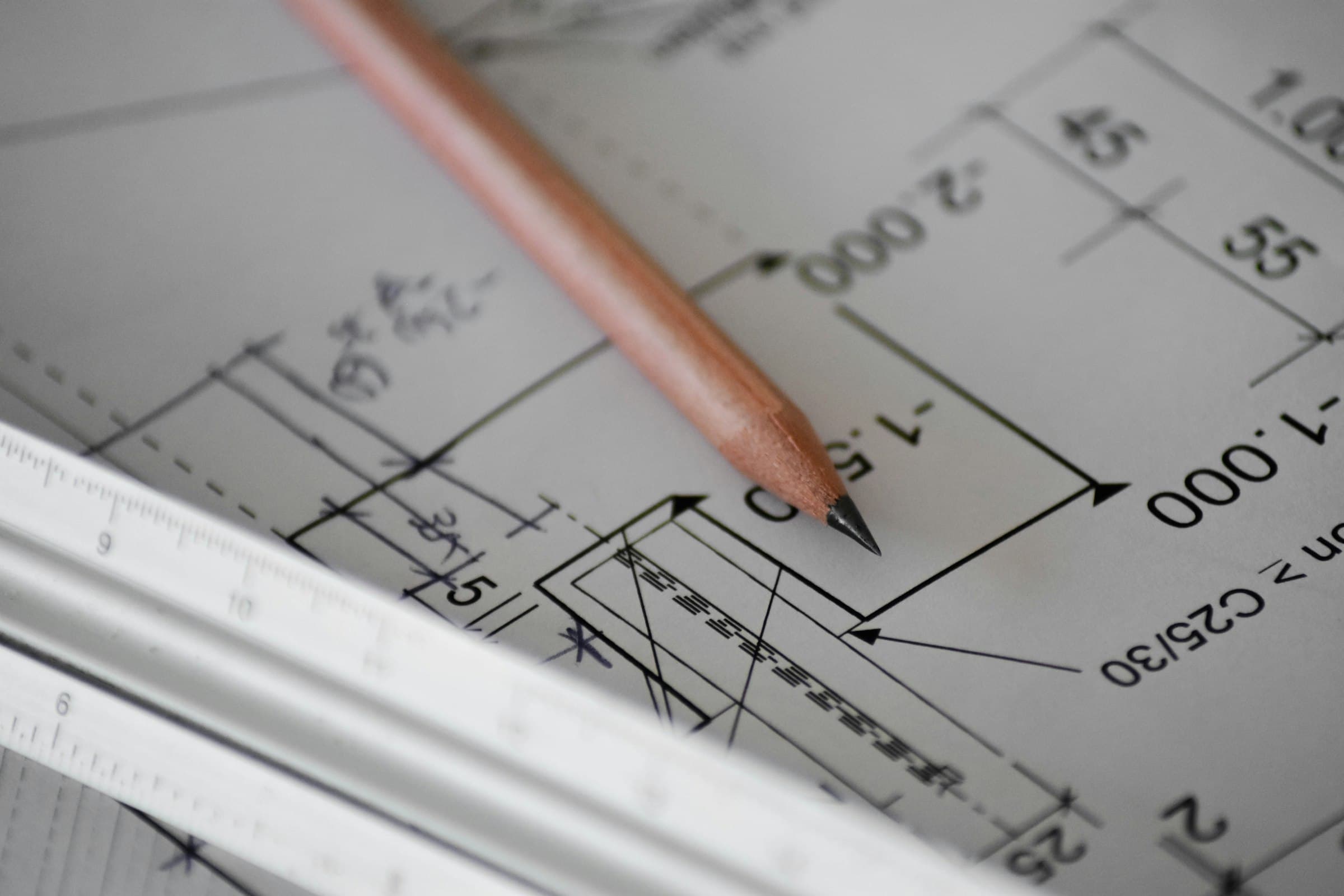
A contractor should contact the architect after a project is real enough to name and before formal bidding locks down the communication path. The first note should show why your trade is relevant and ask for the right way to stay informed. It should not ask the architect to solve a design question over email.
The timing depends on the delivery method. In design-bid-build, design, bidding, and construction are separate phases. In design-build, one entity holds responsibility for both design and construction. Those differences change who is appropriate to contact and when. The Whole Building Design Guide explains both design-bid-build and design-build.
This is business-development guidance, not construction-contract or bid-protest advice.
When is the right time to contact the architect?
Contact the architect when you can name the project, confirm the firm's role, and give a specific reason your company fits the work. Do it before a bid invitation or solicitation tells bidders to use a different contact path.
A useful first contact follows three checks:
- The project is identifiable. You have a project name, location, owner or developer, or another public detail that lets the recipient understand which opportunity you mean.
- The firm has a design role. Confirm the firm is connected to the project before writing. Do not assume every architecture firm in a market is involved.
- You have a relevant reason to write. Name the trade, building type, scope, or capability that makes an introduction sensible.
In a design-bid-build project, a contractor is often trying to be known before the bid phase. The design team is engaged before construction bids are requested in that delivery method. The Whole Building Design Guide describes the sequence of design-bid-build delivery.
What should a contractor confirm before sending the first note?
Confirm the project, the firm's role, and the stated communication route before you send anything. A short piece of research prevents a generic message and helps you avoid contacting the wrong person.
Check these items:
- The project's public name or a clear description of the proposed work.
- The architecture firm's connection to the project.
- The firm's published contact route or a named project contact, if one is available.
- The project's delivery method, if it is stated.
- Any bid notice, procurement notice, or invitation instructions that name a single point of contact.
That research belongs before outreach, not after. What Should a Construction Firm Research Before Its First Cold Email? explains how a contractor can make an early note specific without pretending to know more than the public record shows.
What should a contractor say to an architect?
A first note should make it easy for the recipient to place your company and route you correctly. It should be short enough to read quickly and specific enough to be useful.
Include four things:
- Your name, company, and trade.
- The project you are referring to.
- One relevant capability or type of work you want the firm to know about.
- A simple question about the correct contact, prequalification route, or future procurement process.
Do not lead with a request for drawings, pricing guidance, or a commitment. Do not claim prior experience, capacity, relationships, or project knowledge you cannot support.
Here is a simple structure:
Hello [name],
I am with [company], a [trade] contractor. We saw that your team is working on [project or project description]. We support [relevant scope or building type].
If there is a preferred way for qualified [trade] contractors to introduce themselves or follow future procurement for this project, could you point me to it?
Thank you, [name]
The point is not to force a sales conversation. The point is to make your company easy to recognize later if the project reaches a buying stage.
When should a contractor not contact the architect?
Do not contact the architect directly when the project materials give another route for bidder questions or vendor communication. Follow the published instructions instead.
For example, a US federal procurement may use formal pre-proposal exchanges under the Federal Acquisition Regulation. The regulation describes several ways agencies may communicate with industry before receiving proposals. FAR 15.201 sets out those exchanges.
Also pause before writing when any of these are true:
- You cannot identify the project or the firm's connection to it.
- Your note would be the same message you send every architecture firm.
- A bid notice names a procurement contact, general contractor, or other official channel.
- The project uses design-build and the architect may be part of a design-build team rather than an owner's separate design consultant. The Whole Building Design Guide describes the single-entity structure of design-build.
What should happen after the first contact?
Record the contact, the date, the recipient, the stated route, and the next step. A contact without a reason to follow up should stay a record, not become repeated email.
If the architect points you to a prequalification page, a general contractor, or a future bid process, follow that instruction. If there is no reply, keep watching the project's public signals and contact the appropriate party only when you have a new, relevant reason.
The architect is one possible early contact, not automatically the first one. Project stage and delivery method may make the owner, developer, general contractor, or procurement contact a better first route. Who Should You Contact First on a New Construction Project? covers that broader choice. Once a contractor finds an early project, What Should a Contractor Send After Finding a Private Project Early? can help turn the research into a useful first message.
A practical rule for architect outreach
Contact the architect early enough to be relevant, but only after you have a real project and a clear reason to write. Respect the contact route that the project publishes.
A good first note is brief. It identifies your trade, names the opportunity, and asks for the right next step. That approach gives the architect a useful choice instead of another generic introduction.